

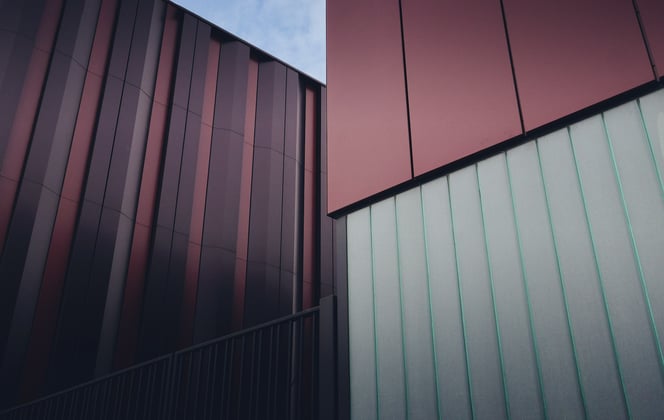
Discover the art of creating elegant and functional blog designs with this comprehensive guide on mastering minimalist blog designs.
The Importance of Minimalist Blog Designs
Minimalist blog designs have become increasingly popular in recent years due to their clean and modern aesthetic. These designs focus on simplicity and minimalism, allowing the content to take center stage. By eliminating unnecessary clutter and distractions, minimalist blog designs create a seamless and enjoyable reading experience for visitors.
In addition to their visual appeal, minimalist blog designs also offer practical benefits. With fewer elements on the page, the loading speed of the website improves, resulting in a better user experience. Furthermore, minimalist designs are often more responsive and mobile-friendly, ensuring that your blog looks great on all devices.
When it comes to conveying your message effectively, minimalist blog designs excel. By using ample white space and strategic placement of text and images, you can guide your readers' attention and highlight key information. This helps in creating a clear and concise message that resonates with your audience.
Overall, minimalist blog designs offer a balance between aesthetics and functionality. They create a visually pleasing website that is easy to navigate and allows the content to shine. Whether you're a seasoned blogger or just starting out, mastering minimalist blog designs is essential for creating an elegant and functional website.
Key Elements of Minimalist Blog Designs
To create a successful minimalist blog design, there are several key elements to consider. First and foremost, simplicity is key. Keep your design clean and uncluttered, focusing on essential elements and removing any unnecessary distractions.
Another important element is the use of ample white space. White space, or negative space, refers to the empty space between elements on a webpage. It helps in creating a sense of balance and allows the content to breathe. By using white space effectively, you can create a visually appealing and easy-to-read blog design.
Typography also plays a crucial role in minimalist blog designs. Choose fonts that are simple, clean, and easy to read. Avoid using too many different fonts and stick to a consistent typography style throughout your blog. This will contribute to the overall cohesive look of your design.
When it comes to images and visuals, minimalist blog designs often opt for high-quality, impactful images that align with the overall aesthetic. These images can be used sparingly to enhance the content and create visual interest.
Lastly, minimalist blog designs often incorporate a limited color palette. Choose a few complementary colors that align with your brand or blog's theme and use them consistently throughout your design. This will create a cohesive and visually pleasing look.
Optimizing User Experience with Minimalist Blog Designs
One of the main goals of minimalist blog designs is to optimize user experience. By focusing on simplicity and minimalism, these designs create a seamless and enjoyable browsing experience for visitors.
To optimize user experience, it's important to prioritize ease of navigation. Keep your blog design intuitive and make it easy for visitors to find the information they're looking for. Use clear and concise navigation menus, include search functionality, and ensure that important pages are easily accessible.
Loading speed is another crucial aspect of user experience. With minimalist designs, the number of elements on a page is reduced, resulting in faster loading times. This not only improves user experience but also has a positive impact on search engine rankings.
Mobile responsiveness is also key in optimizing user experience. With the increasing use of smartphones and tablets, it's essential that your blog design looks great on all devices. Responsive design ensures that your content adapts to different screen sizes and provides a consistent experience across devices.
Lastly, consider the overall readability of your blog design. Use appropriate font sizes, line spacing, and contrast to make the content easy to read. Break up long paragraphs into shorter sections and use headings and subheadings to guide readers through the content.
By prioritizing user experience in your minimalist blog design, you can create a website that not only looks great but also delivers a seamless and enjoyable browsing experience for your visitors.

Data-Driven Marketing Mastery: Expert Tips & Strategies
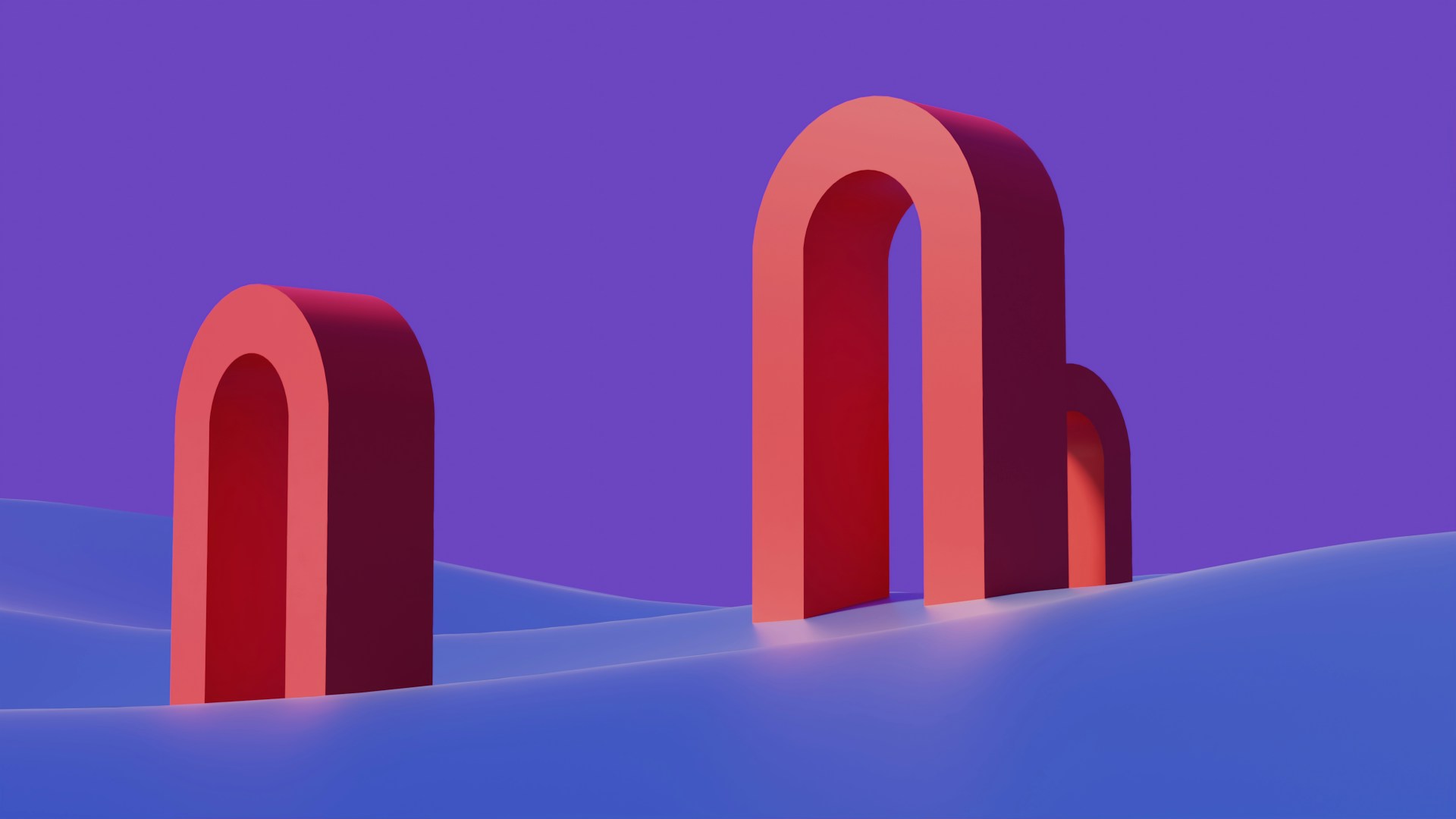
Simplicity at Its Best: Minimalistic Blog Layout


Leave a Comment